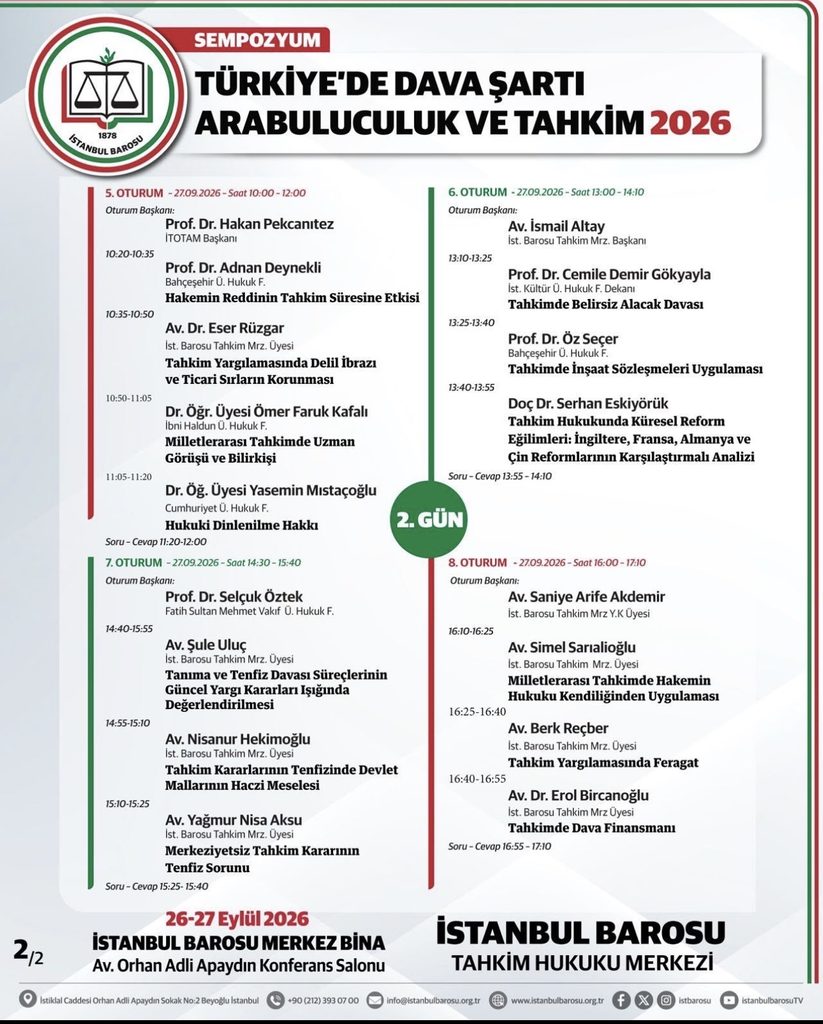
İstanbul Barosu'nda Sunum: Tahkim Kararlarının Tenfizinde Devlet Mallarının Haczi Meselesi

27 September 2026
🌍 “Tahkim Kararlarının Tenfizinde Devlet Mallarının Haczi Meselesi”
Av. Nisanur Hekimoğlu, İstanbul Barosu “Türkiye’de Dava Şartı Arabuluculuk ve Tahkim 2026” Sempozyumu’nda Konuşmacı Olarak Yer Aldı
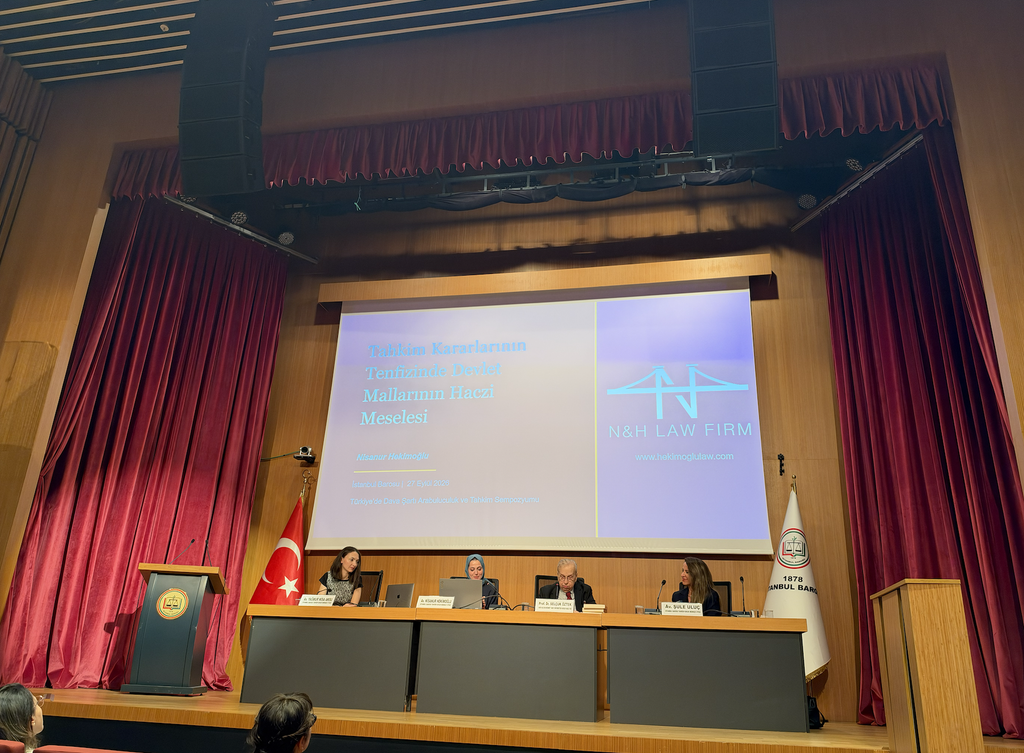
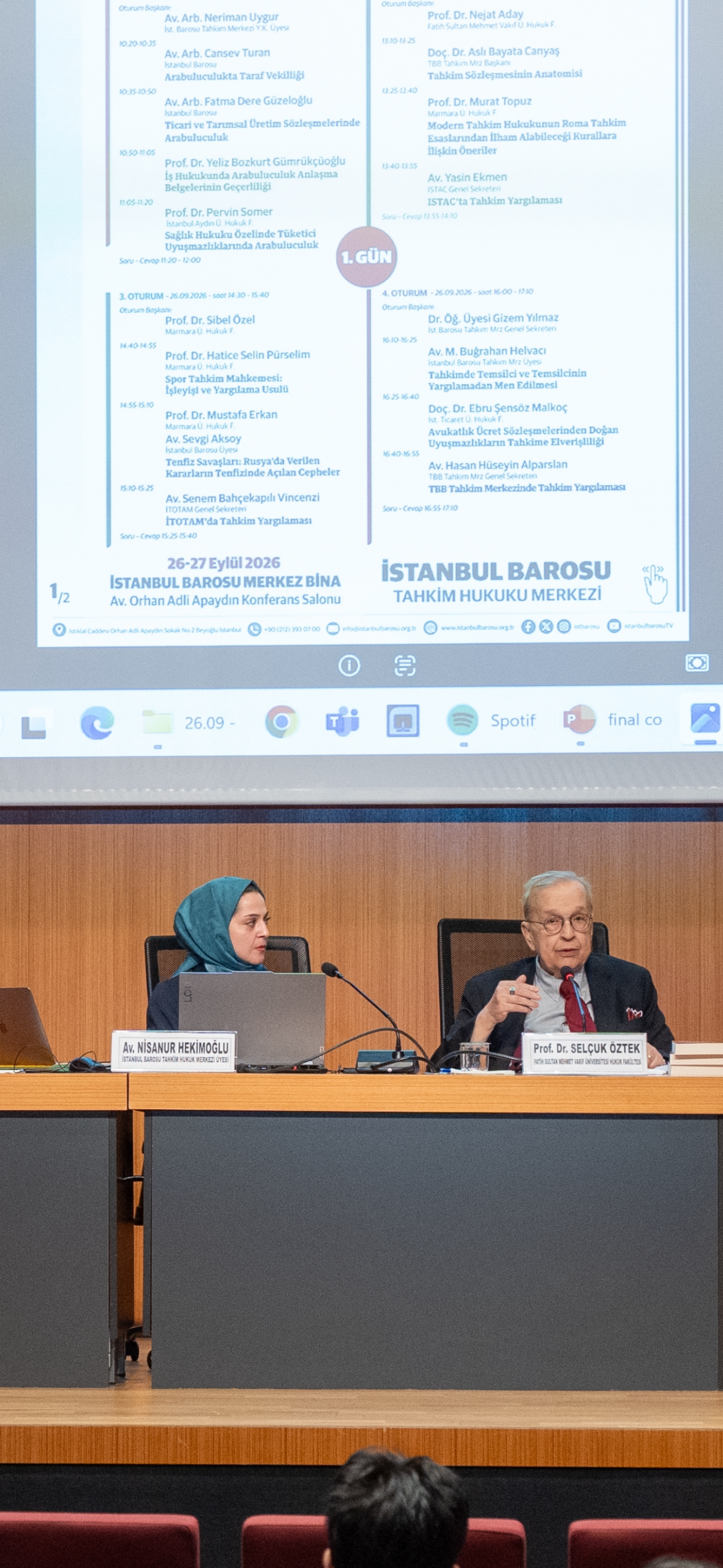
Av. Nisanur Hekimoğlu, İstanbul Barosu tarafından düzenlenen “Türkiye’de Dava Şartı Arabuluculuk ve Tahkim 2026” Sempozyumu kapsamında, “Tahkim Kararlarının Tenfizinde Devlet Mallarının Haczi Meselesi” başlıklı sunumunu gerçekleştirdi.
Sunumda, yatırım tahkimi kararlarının devletlere karşı icrasında yaşanan dönüşüm, uluslararası tahkim ve ulusal mahkeme kararlarından örneklerle ele alındı.
Konvansiyonel yaklaşımda temel tartışma, devletin tahkime rızasının yargı bağışıklığı ve icra bağışıklığı bakımından doğurduğu sonuçlar üzerinde yoğunlaşırken, zaman içerisinde tartışma “Devlet malları haczedilebilir mi?” sorusundan “Hangi devlet malları haczedilebilir?” sorusuna evrildi.
Bu çerçevede, devlet malvarlığının hukuki niteliği ve kullanım amacı önem kazandı. Acta jure imperii kapsamında egemen amaçlara tahsis edilen diplomatik misyon malları, askeri varlıklar ve merkez bankası varlıkları güçlü bir icra bağışıklığı korumasından yararlanırken; acta jure gestionis kapsamında ticari amaçlarla kullanılan varlıklar, gelir getiren gayrimenkuller, iştirak hisseleri ve belirli devlet bağlantılı varlıklar, ilgili ülkenin hukukuna ve somut olayın koşullarına bağlı olarak icra süreçlerinin hedefi haline gelebiliyor. Bu ayrım sunumda devlet mallarının niteliği kapsamında ayrıca ele alındı.
Sunumun öne çıkan başlıklarından biri ise asset tracing (malvarlığı takibi) uygulamalarındaki dönüşüm oldu. Günümüzde soru artık yalnızca “Devletin hangi malı nerede?” ile sınırlı değil; “Devlete kim borçlu ve devletin üçüncü kişilerden olan alacağı, devlete ulaşmadan önce haczedilebilir veya tedbire konu edilebilir mi?” sorusu da uluslararası icra stratejilerinin gündeminde.
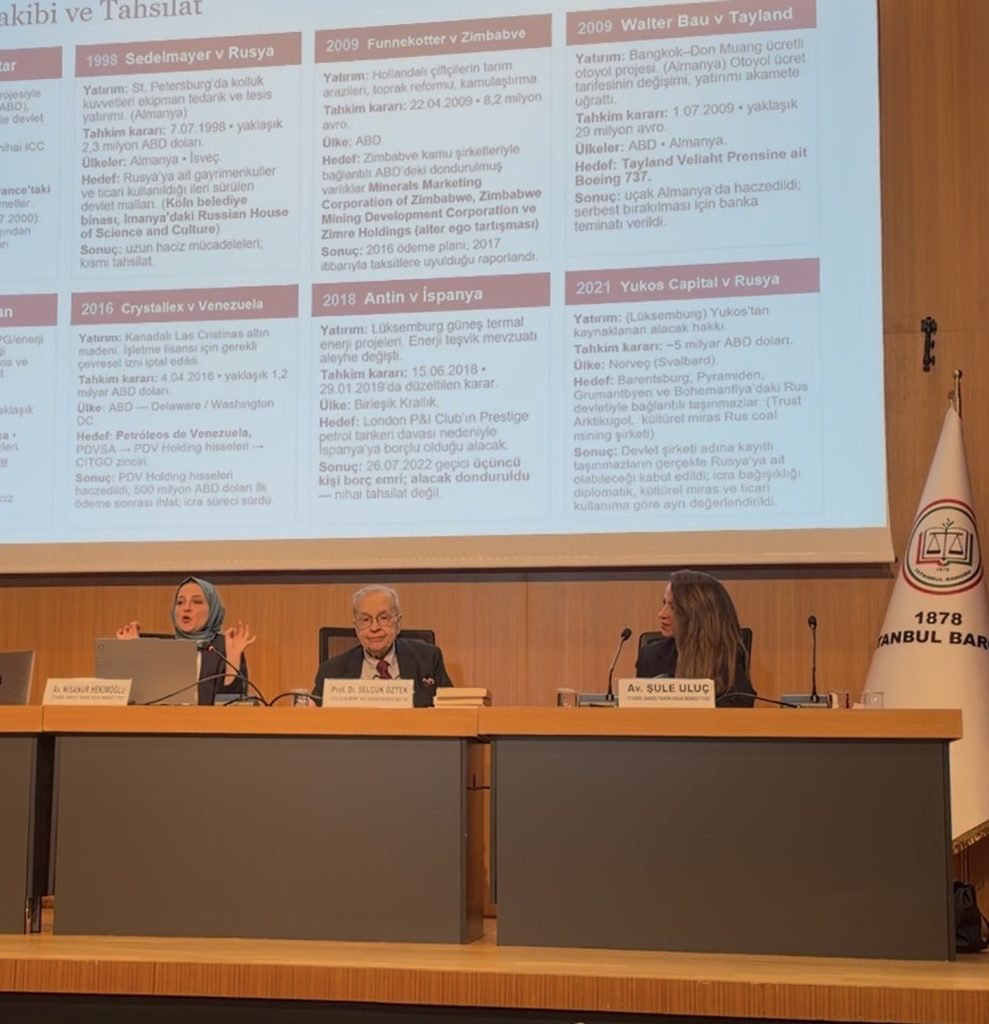
Bu kapsamda Antin v. İspanya davası dikkat çekici bir örnek olarak değerlendirildi. İcra sürecinde İspanya’nın doğrudan mevcut malvarlığı yerine, Prestige uyuşmazlığı nedeniyle London P&I Club’dan olan alacağı hedeflendi. Böylece devletin yalnızca mevcut mallarının değil, üçüncü kişilerden olan alacaklarının ve devlete yönelen ödeme akışlarının da malvarlığı takibi ve icra stratejisinin konusu olabileceği ortaya konuldu.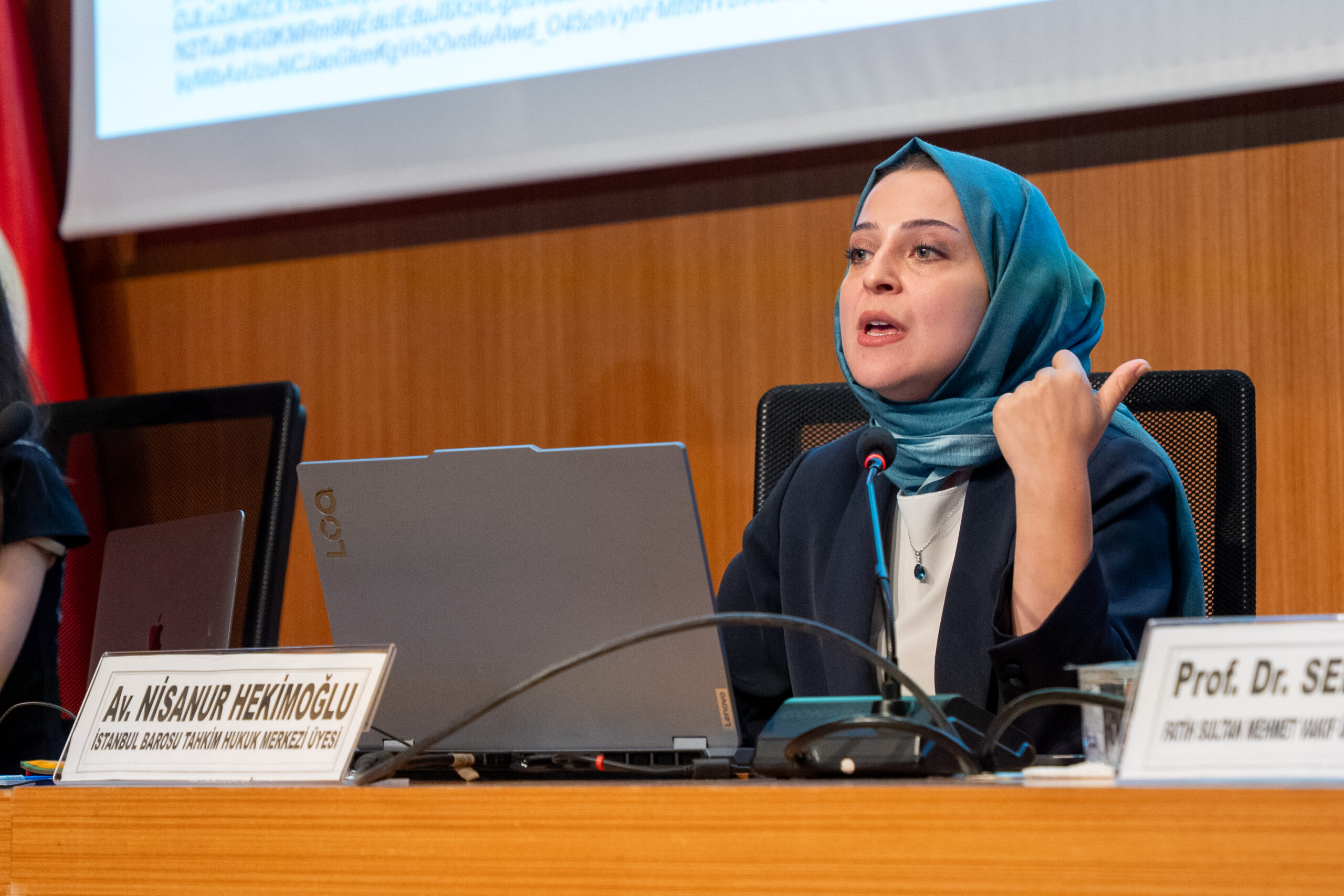
Stati v. Kazakistan davasında ise ulusal varlık fonlarına (sovereign wealth funds) ilişkin varlıkların da icra süreçlerinde hedef alınabildiği ele alındı. Kazakistan Ulusal Fonu’nun BNY Mellon nezdinde tutulan nakit ve menkul kıymetlerine yönelik dondurma ve haciz girişimleri, ulusal varlık fonu yapılarının da uluslararası icra süreçlerinde mülkiyet, alacak ilişkisi ve icra bağışıklığı tartışmalarına konu olabileceğini gösteren önemli örneklerden biri olarak değerlendirildi.
Bu gelişmeler, Türkiye bakımından devlet iştiraklerinin yanı sıra Türkiye Varlık Fonu ve portföyündeki varlıkların hukuki yapısının da olası uluslararası icra senaryoları açısından önceden değerlendirilmesinin önemineişaret ediyor. Türkiye aleyhine devam eden yatırım tahkimi süreçleri dikkate alındığında, tahkim stratejisinin yalnızca uyuşmazlığın esasına ilişkin savunmayla sınırlı tutulmayıp, olası bir kararın tanınması, tenfizi, malvarlığı takibi ve icrası boyutlarıyla birlikte ele alınması önem taşıyor.
Av. Nisanur Hekimoğlu, sempozyumun düzenlenmesinde emeği geçen İstanbul Barosu’na ve İstanbul Barosu Tahkim Hukuku Merkezi’ne teşekkürlerini sundu.
English
Attorney Nisanur Hekimoğlu Speaks at the Istanbul Bar Association’s “Mandatory Mediation and Arbitration in Türkiye 2026” Symposium
Attorney Nisanur Hekimoğlu delivered a presentation titled “Attachment of State Assets in the Enforcement of Arbitral Awards” at the “Mandatory Mediation and Arbitration in Türkiye 2026” Symposium, organized by the Istanbul Bar Association.
The presentation examined the evolving landscape of enforcement of investment arbitration awards against States, drawing on international arbitration cases and national court proceedings.
The conventional debate initially focused on the consequences of a State’s consent to arbitration for jurisdictional immunity and immunity from execution. Over time, however, the central question evolved from “Can State assets be attached?” to “Which State assets can be subject to attachment or execution?”
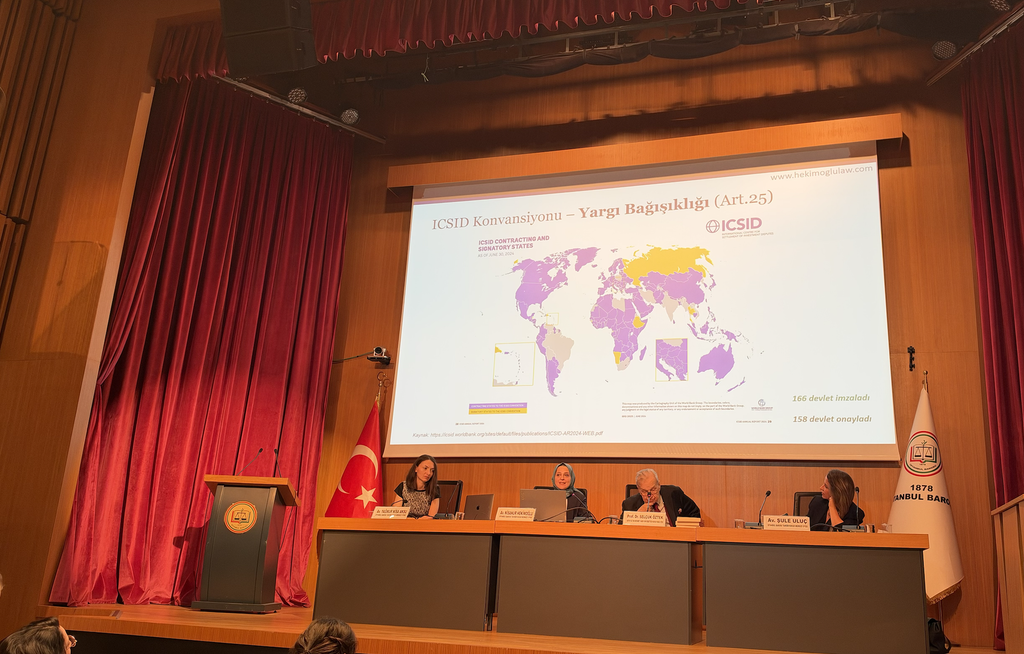
This shift has brought the legal nature and use of State assets to the forefront. Assets dedicated to sovereign purposes under acta jure imperii—including diplomatic mission property, military assets and central bank assets—generally benefit from strong protection against execution. By contrast, assets used for commercial purposes, income-generating property, shareholdings and certain State-related assets falling within the sphere of acta jure gestionis may, depending on the applicable domestic law and the circumstances of the case, become targets of enforcement proceedings.
A key focus of the presentation was the evolution of asset tracing. The question is no longer limited to “Where are the State’s assets?” Increasingly, enforcement strategies also ask: “Who owes money to the State, and can that receivable be attached or restrained before the payment reaches the State?”
Antin v. Spain provides an important example of this development. Rather than targeting an existing asset directly held by Spain, the enforcement proceedings targeted Spain’s receivable from the London P&I Club arising out of the Prestige litigation. The case illustrates how not only State-owned assets, but also receivables owed to States and payment flows directed to them, may become part of modern asset-tracing and enforcement strategies.
The presentation also addressed Stati v. Kazakhstan, where assets associated with Kazakhstan’s National Fund, held through BNY Mellon, became the subject of attachment and freezing proceedings. The case demonstrates how assets associated with sovereign wealth funds may themselves become the subject of complex questions concerning ownership, third-party obligations and immunity from execution in cross-border enforcement proceedings.
These developments are also relevant from a Turkish perspective. The legal structures surrounding Turkish State-owned enterprises, as well as the Türkiye Wealth Fund and the assets within its portfolio, warrant advance consideration from the perspective of potential cross-border enforcement scenarios. In light of ongoing investment arbitration proceedings involving Türkiye, arbitration strategy should therefore extend beyond the merits of the underlying dispute and consider the entire post-award landscape, including recognition, enforcement, asset tracing and execution.
Attorney Nisanur Hekimoğlu expressed her appreciation to the Istanbul Bar Association and the Istanbul Bar Association Arbitration Law Center for organizing the symposium.